Showing posts with label group 1. Show all posts

Monday, April 27, 2015

Polish Excellence

Polish 'Diet'
Blog Post #4
April 19, 2015
by Dan Horn
There are two main ingredients in most Polish entrees: protein and a form of lard or butter. Protein is important in any diet because it gives the body nutrients and energy. Fatty substances such as butter are important in moderation because the body turns fat into energy. Unfortunately, if that energy is not burned off, it is turned into fat and is stored away in the body. Luckily, as time progresses, we can come out with healthier solutions such as margarine or other tasteful solutions to lard. The use of butter and lard in the Polish cuisines is not unlike anything that we see here in America. The use of butter on bread in Poland is considered bad because you would then not be able to afford the luxuries of exquisite foods such as sausages.
Polish butter in characteristic golden foil
The use of butter in America is something that we take very heavily. We use it in a large number of dishes and often in very large quantities. Poles do the same in some of their dishes but are beginning to one it down a bit for fear of a drastically rising obesity rate. Countries like these that are physically so far apart can be so closely tied together just through something so simple as the foods we eat.

"Polish Sausages, Charcuterieand the Blood Sausage." Polish Sausages, Charcuterie and the Blood Sausage. N.p., n.d. Web. 27 Apr. 2015.

Polish Excelence


What Makes Polish Food So Special?
Blog Post #3
April 19, 2015
by Dan Horn
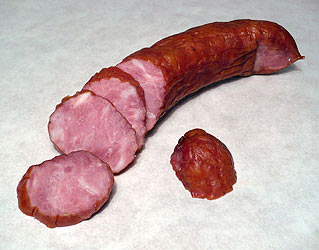
If there is anything that you need to know about Polish food, is that it almost always contains proteins. Many appetizers, the kielbasa, for example is a type of sausage that is made with several spices and its quality is measured by how much meat is used in the preparation. The meat can be virtually any type of animal but they usually stick to pigs or cows. next comes the preparation which also has a few varieties. Kielbasa can be served cooked or cold and that is actually the common approach to the preparation of the dish. Poles usually eat this sausage with bread as a sandwich or as an on the go snack that they eat plain.
Polish dried sausage - kielbasa sucha
 Considering Poland's hectic life so far, they have often had to make due with what little resources they had available. One such way they have done so is by utilizing all of the parts of a pig including the intestine, lung, heart, head, tongue, and blood are all packed together inside of the intestine and cooked over low heat. This famous combination adds up to what we refer to as blood sausage. Not uncommon anymore in Poland, blood sausage is enjoyed thoroughly as butchers prepare meals like this for everyone to enjoy.
Polish kaszanka also known as kiszka 
"Polish Sausages, Charcuterieand the Blood Sausage." Polish Sausages, Charcuterie and the Blood Sausage. N.p., n.d. Web. 27 Apr. 2015.                         

Sunday, April 19, 2015

Eating Right
~Blog Post #4~
April 19th, 2015
By:  Brandon Dechter
         Being overweight in America is often overlooked, however, not in Italy.  It is evident that the Italians know something we do not.  According to the International Association for the Study of Obesity, just nine percent of people in Italy are heavy enough to be considered obese.  Thirty-two percent of Americans can be considered obese, but it is not like Americans are not familiar with Italian food.  Italian restaurants are popular all across the country, and tied with Mexican food for most popular food in U.S.  The Italian food we know and love in America is much different than the preparation and dishes served and known in Italy.  Americans enjoy heavy plates of spaghetti, smothered pasta in Alfredo sauce, and slabs of buttery, greasy, and cheese-smothered garlic bread.  Portion control is also a big part of why Italian diets differ, because the smaller portions and moderation is a big element in this culture’s diet.  The sauces here in America are much heavier as well and sometimes even drown the pasta unlike the light sauce with basil and little meat recipes cherished in Italy.  An interesting fact in traditional diet of Italian culture is how lunch is actually considered the main meal.
 A typical Italian lunch has an antipasto or appetizer (soup, rice or pasta), a secondo (meat or fish), contorno (vegetables), and a dolci (sweet) or desert.  All these are small portions and not every meal offers these choices but these lunches are sometimes festive meals or Sunday lunches, which would indeed feature them all.  To Italians, ingredient quality is of utmost importance and people spend more time and money on their food than Americans.  Food is rarely imported, and Italians are generally concerned and suspicious of products that are not locally grown or made.  Italians do not quench their thirst with sugary sodas, instead with water; wine, or watered down wine.  Portions are kept small, with a glass not bottle of wine.  In America, refills are common which are unusual for Italians.  A fascinating fact is that in America’s average diet, the majority of calories are in drinks and half the sugar. 
A Caprese Salad consists of four tomatoes, two cups mozzarella cheese, fresh basil leaves, two tablespoons extra-virgin oil, salt and freshly-ground pepper.  This recipe is fresh and overall, the food in Italy’s culture is important to them and they truly enjoy their food.  Below is an example of the size of a Caprese salad, much not like what we would be accustomed to at an Italian Restaurant.  
From my own experience, I have eaten a Caprese salad as well as Italian dishes and the portions are much larger here then in other countries, such as Italian restaurants in Mexico.  In American diet, I think that there is not a similar shift, however, many Americans are being motivated to change their lifestyle into a more active and healthy way.  In the novel, similarly to Italian cuisine, food and recipes are important to them.  A healthy diet, in my opinion, is essential to a happy lifestyle and can give a person emotional and physical health and well being that many do not have.  Confidence is also present when one is dedicated to their health and body.   

"Popular Diets of the World: The Italian Way With Food." WebMD. WebMD. Web. 19 Apr. 2015. <http://www.webmd.com/food-recipes/the-italian-diet?page=5>.

Web. 19 Apr. 2015. <https://chefshelby.files.wordpress.com/2010/06/caprese-salad-1-500.jpg>.

Spanish Cuisine

The Healthier Way of Life
~Blog Post #4~
April 17, 2015
By: Gabby Gallo

The typical Spanish diet falls in the range of a typical Mediterranean diet in general. Either way you think about it, these diets are considered healthy and much healthier than an “Anglo-saxon” diet for a variety of reasons. The Mediterranean diet became popular around the 1990’s when it was more widely recognized and followed by other countries. There is still a trend followed where more non-English speaking countries are more likely to follow the Mediterranean diet than English speaking countries. When following a Mediterranean diet, there is often a greater consumption of red wine than other liquors, where in other countries there is a greater consumption of beer. Still taken in small to moderate amounts in Spain, red wine has been proven to contain flavonoids, powerful antioxidants, while beer has no real health benefits, so the Mediterranean diet even follows a healthier liquor consumption diet.

The Mediterranean diet in general contains a much greater portion of unprocessed foods than in other diets. Lots of plant foods, fresh fruit and vegetables, fish and poultry are in the Spanish diet, as well as low amounts of red meat per week. The types of food consumed in a Mediterranean diet often have long term health benefits. For example, a variety of legumes (plants in the pea family such as peas, chickpeas, lentils, alfalfa and beans) which have been proven to lessen the risk of coronary heart disease, as well as improve glycemic control in people with type 2 diabetes. 


The Spanish diet is high in dietary fiber and monounsaturated fat, but low in saturated fat. 25%-35% of the calorie intake in Spain is from fat, with only about 8% of that being saturated fat, and olive oil being the main source of dietary fat. However, despite the large consumption of fat, it is still shown that this type of diet is an enigma, showing lower rates of hypertension, cardiovascular disease, obesity, diabetes and caner than people following other diets. The fact that there are also typically four smaller meals a day versus three, with more spaced out and later times, as well as the amount of walking done in Spain versus the amount of driving in other countries can also be a great factor in the health of people in this country. 


"What Is the Mediterranean Diet? What Are the Benefits of the Mediterranean Diet?" Medical News Today. MediLexicon International, 2 Jan. 2015. Web. 15 Apr. 2015.

"Spain's Mediterranean Diet. A Healthy Diet." Spain.info. Segittur, n.d. Web. 15 Apr. 2015.


Spanish Cuisine


A Day in the Life
~Blog Post #3~
April 17, 2015
By: Gabby Gallo


Spain is known for a variety of different meals, but one of the most common is paella. Different types of paella were Moorishly influenced and were started on the east coast of Spain, where it is very easy to obtain seafood. Paella is a main course meal and is served hot, so it is typically eaten during lunch time. There are many reasons why this is an extremely popular dish throughout the country, but the paella made with seafood is typically so delicious because of the abundant access to the sea that Spain has. The most typical way to make a common paella dish is a combination of yellow rice, tomatoes, peas, onions, shellfish, clams, squid and chicken drumsticks. These ingredients are all mixed and cooked together over an open fire in a large saucepan. Salt and olive oil is also very common to add to this dish to reach an even richer and fuller flavor. 


Another very commonly prepared dish in Spain is gazpacho or “salmorejo.” This is a dish that was originated in southern Spain in the region of Andalusia and is more commonly eaten in warmer summer months. It is a cold tomato soup with a common recipe containing tomatoes, onions, garlic, bell peppers, oil and vinegar. This gazpacho dish is typically served as an appetizer in either a bowl or a glass. It has a thick texture due to the way it is blended, and can be a refreshing snack. Many people eat a slightly different version of this dish with either bread and/or some meat thrown into the dish.


Thyberg, David. "Common Foods in Spain." Travel Tips. Demand Media, n.d. Web. 15 Apr. 2015.

"Top 10 Spanish Foods – with Recipes." Top 10 Spanish Foods – with Recipes. Expatica, 17 Dec. 2013. Web. 15 Apr. 2015.


Setting the Tone! Post #3

Setting the Tone!
~Blog Post #3~
April 17th, 2015
By:  Brandon Dechter

In Italy, a colorful and delicious way to set the stage for a friends and family dinner is a tradition called Antipasti.  It is a social event and Italian ritual that involves a changing of attitudes and atmosphere because it excites those that are a part of it.  In America, of course, we call this an appetizer, although it has a larger meaning in Italy.  Specifically, an example of food that would be served and is used in traditional cooking would be called Bruschetta.  It displays various colors and flavors all on top of toasted bread or crisps.  
A prepared bruschetta prepared with chopped olives, vegetables, and herbs make excellent pre-meal Antipasti.  For example, slices of toasted Italian bread with roasted peppers or chopped olives along with meat and cheese- or even fresh tomatoes and basil is popular.  
Olives, specifically, offer an excellent array of color and taste to enhance an Antipasti platter and can be marinated with herbs, stuffed with nutty almonds, spicy fillings, or dark purple olives adding their own unique flavors and colors to it.  Olives are harvested by hand in Italy, offering a fresh tradition, which is healthier due to the pure nature of it.  Used in many Antipasti platters, or appetizers, the olive is grown on land and has a long beloved history in Italy so much as some olive trees almost seem holy in early mythology.  Italy is the world’s biggest exporter of olive oil.  Below are images of an olive tree, typical colorful Antipasti, as well as a map of popular olive trees in Italy. 

CREATOR: gd-jpeg v1.0 (using IJG JPEG v62), quality = 88

"DeLallo.com | Antipasti: Meal, Social Gathering or Both?" DeLallo.com. Web. 17 Apr. 2015. <http://www.delallo.com/articles/antipasti-meal-social-gathering-or-both>.
Web. 18 Apr. 2015. <http://static1.squarespace.com/static/51dae291e4b03b00fe4ba667/51dafc4ee4b08f20257f55b8/51dafd3be4b0bc8869a0badf/1373306172521/olives-tuscany-italy.jpg>.
Web. 19 Apr. 2015. <http://newsroom.unl.edu/announce/files/file30873.jpg>.

Web. 19 Apr. 2015. <http://proceedings.esri.com/library/userconf/proc98/PROCEED/TO300/PAP275/P2751.GIF>.


Monday, April 13, 2015

Polish Excellence

Polish Excellence
Blog Post #1
April 12, 2015
by Dan Horn
Poland is located in the heart of Europe and has been conquered by a number of different countries. The different ruling countries often had a profound effect on the culture of the citizens of Poland. For centuries, Poland has adopted different customs and traditions under which they still use today. Food in the Polish culture has been one of the key aspects that has changed over time. Polish cuisine, in modern times, has a profound Lithuanian and Tartar-Turkish background into which they base their meals. These influences have added a more tasteful and rich taste to all of their foods. Polish food can be divided into five different categories: soups, entrees, appetizers, beverages, and desserts. The soups are often thick and lavish but have a slightly sour taste. The entrees are almost always meaty and are very filling. Appetizers usually are not as filling but consist of sausages or other proteins. Drinks in Poland are often alcoholic such as Vodka or beer considering that the drinking age does not exist there. And finally, deserts in Poland are not unlike anything that we see here in America. Foods such as donuts and cheesecake are commonly prepared in the polish household. Polish cuisine is unique in that not everybody likes it, but if you have Polish in your blood, the food is unbeatable.
 
Pierogi with mushrooms
 
"Polish Food & Authentic Polish Recipes —100 Best Foods from Poland." Polish Food & Recipes. N.p., n.d. Web. 12 Apr. 2015.

Polish Excellence

Polish Excellence
Blog Post #2
April 12,2015
by Dan Horn
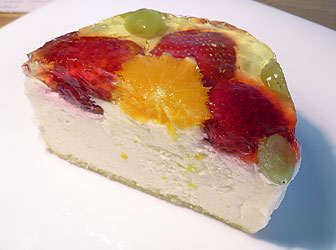
Polish households are all hustle and bustle when the Christmas season comes around. Many meals take days to prepare for but it is all worth it when the big day comes around. One of the most important aspects of the Polish meal is, of course, the dessert. One of the most popular desserts in Poland is sernik, or cheesecake. The level of variety in styles of preparation, taste, texture, and composition is astounding. One of the main versions of preparation consists of sweet cheese curds baked on crumbly cake and filled with a variety of fruits such as blueberry, strawberry, or apricot.
 
Polish cheesecake made of cream cheese
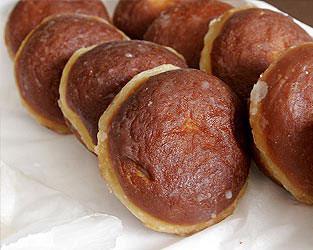
Other popular Polish desserts that are served include the ever popular paczki, or Polish donut. The doughy saucer is fried until golden brown and served with a dose of powdered sugar. It can then be filled with any number of filling such as raspberry, chocolate, or even liqueur. This treat is not only eaten on holidays though because nobody could wait that long to sink their teeth into one of these delicacies. My mom, being raised in a Polish household, was taught how to make these from scratch and when the season is right or there is an important event coming up, she is not afraid to fire up the stove and do some spectacular home cooking.
P�czki - Polish donuts
"Polish Desserts and Sweets —top 22 Desserts from Poland." Polish Desserts and Sweets. N.p., n.d. Web. 12 Apr. 2015.                         

Spain

Feast of a Saint
~Blog Post #2~
April 13, 2015
By: Gabby Gallo
Food is a major part of the Spanish culture and is very important in the lives of the people in Spain. The Spanish diet is different than the one we are used to here in America, but is often considered healthier and better for the people. Instead of having three large meals a day, the people in Spain generally have four smaller meals spaced throughout the day. After their meals they tend to walk a lot, giving them a lot of time to socialize. Lunch tends to be the largest meal of the day there, and is where many people decide to spend time with friends and family. Snack time, or “la merienda” is often a very social time for children, since it is after lunch and they have a lot of energy. It is very common to see children everywhere playing soccer and doing other activities with their friends. Dinner is eaten much later, anywhere from 9:00-midnight, and is generally spent with whoever the rest of the night will be spent with. The dining schedule in Spain is also reflective on the social activity schedule, because many events take place much later in spain than they do in America. It is typical for people to return home around 3 or 4 o'clock in the morning, accompanied by “churros con leche” or churros with hot chocolate, typically. 


The patron saint of Spain is Saint John, so his feast day, July 25th, is a big part of the Spanish culture. There is a huge celebration in Barcelona, where people gather for mass, dances, theatre and art shows, and a lot of food. The most common type of food to be eaten at this feast is a variety of fresh fruits and vegetables, fish, meat and various desserts well-known in Spain.


Sierra, Lisa, and Tony Sierra. "Meals and the Culture of Spain." About Food. N.p., n.d. Web. 10 Apr. 2015.
"Feast of Saint James the Apostle in Spain." Time and Date. N.p., n.d. Web. 10 Apr. 2015.


Spain

The Creation of Spanish Cuisine
~Blog Post #1~
April 13, 2015
By: Gabby Gallo
I am choosing to do my research about Spanish food because the culture has been a big part of my life for a very long time. Since kindergarten, I have been learning Spanish, and I have been fortunate enough to have had many teachers from Spain and other spanish speaking countries. In Spain, lunch is the biggest meal of the day and some of their common types of food include paella, generally made out of potato, and they eat a lot of pork there. Lunch time is often time to meet with friends and family, especially on the weekends, and is usually followed by a siesta shortly after. Spain is mostly surrounded by water, due to its location on the Iberian peninsula, which is how their diet became to be heavily influenced by seafood. Spain is a very fertile area, so there are many fresh markets containing a large variety of fresh products. Many different cultures have influenced and contributed to Spanish food, but the North African Moors had the greatest impact by introducing many fresh fruits, vegetables and seasonings combined with many seafood and meats to the Spanish diet. America also had an impact in Spain, after Columbus returned home from his discovery with different products such as vanilla, chocolate, different types of beans, tomatoes, and potatoes. Although Spanish cuisine is well known as being independent, it has been greatly influenced by other cultures in the process of becoming its own.

"History of Spanish Food." Enforex. N.p., n.d. Web. 10 Apr. 2015.
Thyberg, David. "Information on the Culture, Food & Entertainment of Spain." USA Today. Demand Media, n.d. Web. 10 Apr. 2015.